
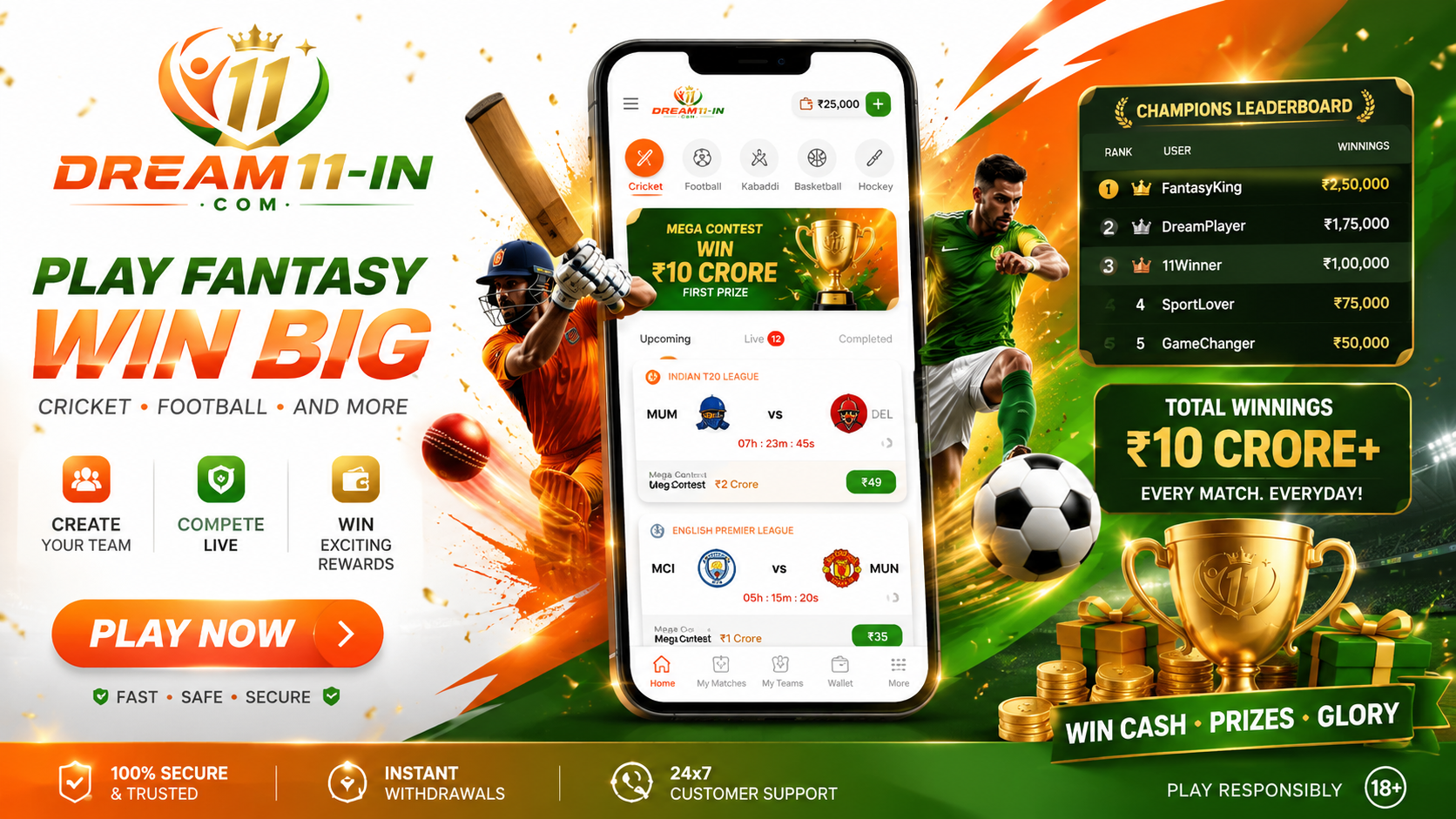
Dense match windows create a simple problem for adult fantasy sports readers: too many screen signals arrive close together. A match card may show one sport, a contest label may sit beside another cue, and a wallet prompt may appear before the reader has checked whether the screen still matches the match they meant to inspect.
The safer method is not to read faster. It is to compare fewer items in a fixed order. Schedule, expected team context, availability notes, home and away sample, match tempo and market-related numbers should not be treated as equal signals. Each has a different use, a different shelf life and a different risk of being misunderstood when several matches are stacked on the same mobile screen.
This note follows the site’s adult-only reading approach. It is an independent guide to screen inspection. It does not provide match predictions, paid-game advice, payment handling, payout support, account access or any promise of sports results.
Briefing frame: what is confirmed, what is pending
Confirmed on the screen: the sport name, match card, contest label, visible prompt, timer position and any panel that asks the reader to continue.
Pending until checked: whether the match card belongs to the intended fixture, whether the team context has changed, whether availability notes are current, whether the displayed number is useful for this contest type, and whether the reader still understands the card in plain language.
Do not assume: that a louder card is more important, that a shorter time window means better information, or that two matches shown close together are comparable. A cricket room, football room, kabaddi room and mixed room can all place pressure on the reader in different ways. The comparison must begin with the sport and match context, not with the highlighted number.
Step one: sort the schedule before reading any contest panel
In a dense schedule, the first comparison is not between players or numbers. It is between match contexts. Put the match card into a basic order before moving further:
- Read the sport name first.
- Read the match name or team labels next.
- Check whether the timing cue belongs to the same card.
- Look at the contest label only after the match identity is clear.
- Pause if the screen layout makes two cards feel like one combined signal.
This order matters because schedule pressure can make unlike events look similar. A late cricket card and an earlier football card may both show urgent visual cues, but the data behind them is not used in the same way. Team shape, scoring rhythm, substitution patterns, role clarity and match tempo do not transfer cleanly between sports.
A practical test is short: can the reader say, in one sentence, which sport and match the card refers to before reading any highlighted number? If not, the screen is not ready for comparison.
Step two: keep line-up reading separate from injury reading
Line-up and injury information are often blended by hurried readers. They should be kept apart. A line-up note concerns who may be involved in the playing group or starting structure. An injury or availability note concerns whether a player’s participation, role or minutes may be limited. Without a reliable current source, neither should be written as a fact.
For screen reading, use a two-column habit:
- Line-up field: expected role, visible team context, possible starting place, replacement path.
- Availability field: fitness concern, rest possibility, return uncertainty, role limit.
If no verified material is available, the correct wording is not a claim. It is a pending item. The reader may write: Team A line-up status not confirmed on the available screen or Player A availability requires a separate check. This prevents a guess from becoming a decision trigger.
In fantasy sports screens, a player card can feel complete because it is visually polished. That does not mean the underlying availability context is complete. Treat the card as a prompt for checking, not as proof that the surrounding match information has been verified.
Step three: use home and away samples with limits
Home and away samples can be useful, but only inside their proper scope. They describe where the team has played, not everything about how the next match will unfold. In dense schedules, adults often compare the wrong samples because two match cards appear close together and the same team colour, logo style or panel shape pulls the eye.
The clean method is to label the sample before reading it:
- Is the sample from the same sport?
- Is it from the same type of match context?
- Does it refer to Team A at home or away?
- Does it describe recent rhythm, squad usage or scoring pattern?
- Is it too broad to support the contest card being considered?
A specific hypothetical example: Team A may look stronger in a home sample, while Team B may show a slower away tempo. That does not automatically make one fantasy card clearer than another. The reader still has to check whether the contest label, match timing, room type and player-card context match the comparison. If the sample cannot be connected to the visible card in a simple sentence, it should not guide the next action.
Step four: compare pace only after the match type is stable
Match pace is not one universal measure. In cricket, pace may relate to innings tempo, batting order pressure or over-by-over rhythm. In football, it may relate to possession speed, pressing, transitions or shot volume. In kabaddi, it may relate to raid frequency, tackle rhythm and match control. Mixed rooms add another layer because the reader may be moving between sports with different meanings of pace.
The order should be:
- Confirm the sport.
- Confirm the match card.
- Confirm the room or contest context shown on the screen.
- Only then compare pace-related notes.
Do not let a fast-moving screen create a false sense that the match itself is fast. A timer cue, urgent graphic or compact leaderboard panel may reflect screen pressure, not match tempo. The site’s screen-check habit is useful here: look at match status, team labels, timer position and visible prompts before continuing.
Step five: treat market data as a limited reference, not a command
Market-related numbers can be tempting during dense schedules because they appear to compress uncertainty. Their use is limited unless the reader knows what the number refers to, when it was observed and whether it belongs to the same match card. Without verified current material, no odds, movement or price should be written as a present fact.
For a screen-only comparison, ask four questions:
- Does the number belong to the same sport and match?
- Is it tied to the same contest label or a different panel?
- Is it older than the line-up or availability context being considered?
- Can it be explained without copying the screen’s urgency?
If the answer is unclear, the number is not a decision point. It is a note to be parked. This is especially important when market notes and team news appear close together. For a related reading habit, see Read fantasy sports screens before market-note moves.
A compact comparison sheet for crowded match days
Use one row per match card. Do not start with player names. Start with the frame that makes the player information readable.
- Sport: cricket, football, kabaddi or mixed context, as visible on the screen.
- Match card: team labels and match identity, checked before any number.
- Timing cue: visible urgency noted, but not treated as advice.
- Contest label: read after sport and match are confirmed.
- Line-up status: confirmed, pending or not visible on the screen being used.
- Availability concern: kept separate from line-up status.
- Home or away sample: used only if it matches the comparison frame.
- Pace note: sport-specific, not copied across rooms.
- Market note: parked unless source, timing and match link are clear.
- Boundary signal: stop if the card cannot be explained plainly.
This sheet is deliberately plain. It slows the reading flow without pretending to solve the match. The aim is to prevent one loud screen element from pulling several unrelated data points into a single rushed decision.
Worked hypothetical screen read
Assume a reader sees two fantasy sports cards close together. One card is for Team A against Team B. Another card is for Team C against Team D. The first card shows a timing cue. The second has a brighter contest panel. No verified team update is available inside the material being used.
The weak habit is to compare the highlighted panels first. The better habit is to write four short lines:
- Card one: sport and match identity to be confirmed before contest reading.
- Card two: separate match, not comparable until sport and room context are clear.
- Line-up and availability: pending, not to be guessed from the player card.
- Action boundary: pause if either card cannot be described in one plain sentence.
Now the reader has reduced the screen from a rush to a checklist. No real team, player, score, injury, price or fixture has been assumed. That is the point. In dense schedules, the main protection is not knowing more; it is refusing to connect fields that have not been checked together.
Where dense cards usually mislead the reader
Dense cards tend to mislead in three common ways. First, they make schedule closeness feel like data closeness. Two matches placed near each other on the screen are not automatically useful comparisons. Second, they make visual emphasis feel like importance. A brighter panel may only be a design choice. Third, they make incomplete information feel finished because the card has a clean layout.
The best response is a visible pause. Read the match card. Separate the contest label. Check the sport. Mark line-up and availability as pending where necessary. Keep money-related prompts away from match analysis. If balance, card, payment method or account prompts appear, that is a separate verification moment, not part of the sports comparison.
For readers dealing with packed cards and multiple screen blocks, the related page Fantasy Sports Screen Notes for Dense Match Cards is relevant as a companion reading link.
Applicable limit
This method does not confirm fixtures, scores, injuries, odds, player status, account details or contest outcomes. It only gives an adult reader a way to compare visible screen information more carefully when several sports cards appear close together. If a current fact is not available from a reliable checked source, it should remain pending and should not be converted into a claim.
The final rule is simple: if the screen is moving faster than the reader can explain, stop. A fantasy sports card should be readable before it is acted upon. Dense schedules reward patience, not speed.
Responsible entertainment note: This article is for screen reading and risk awareness only. It does not provide betting advice, account service, payment handling, outcome prediction or any guaranteed result.